
ASM Showcases Brain Economy Leadership at Regional Webinar
October 15, 2026
ASM Charts Malaysia’s Quantum Future Towards 2035
October 15, 2026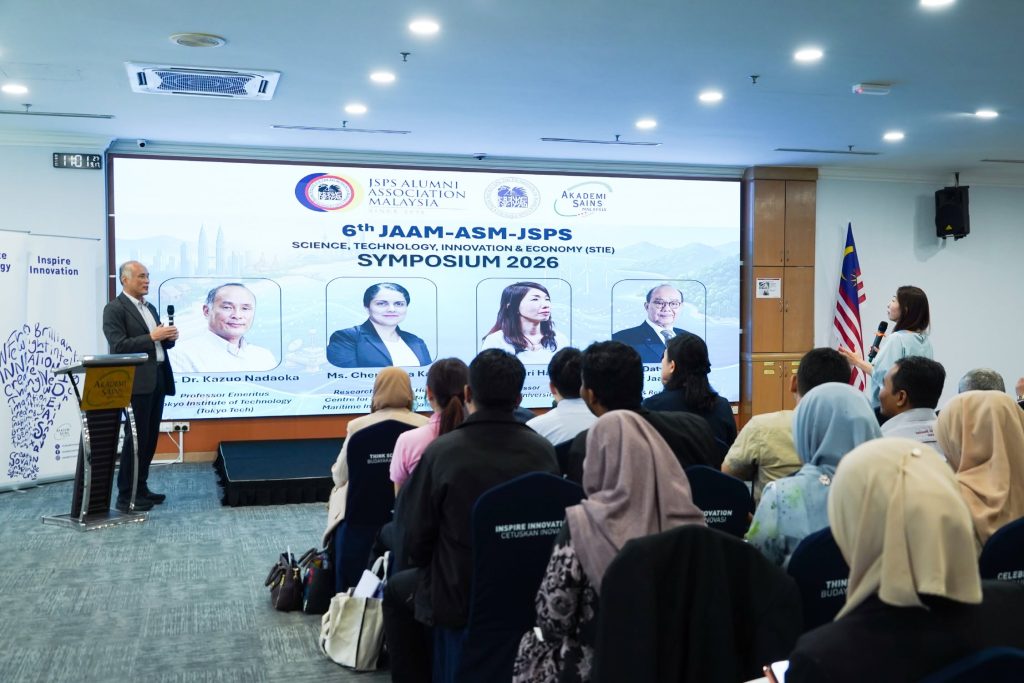
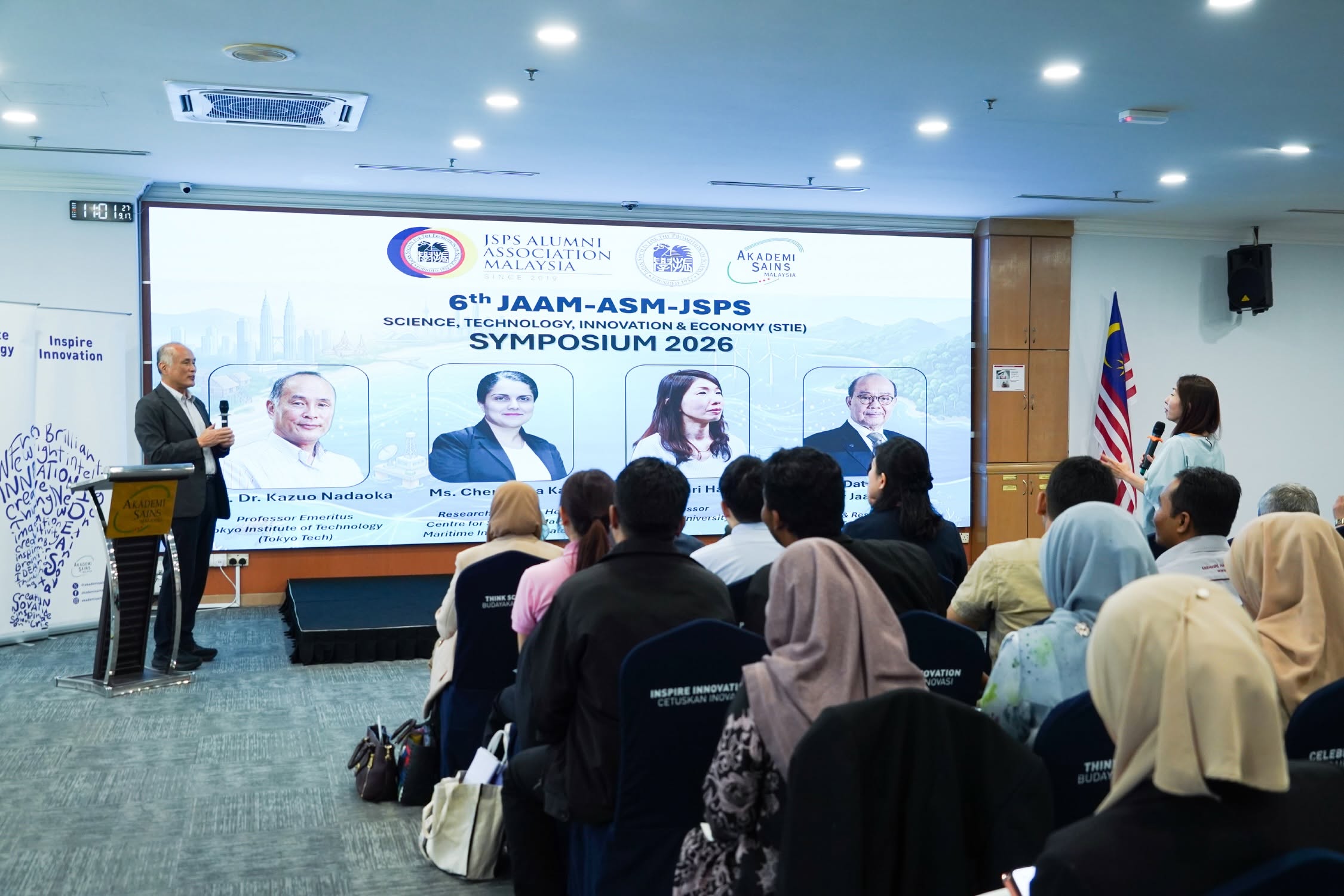
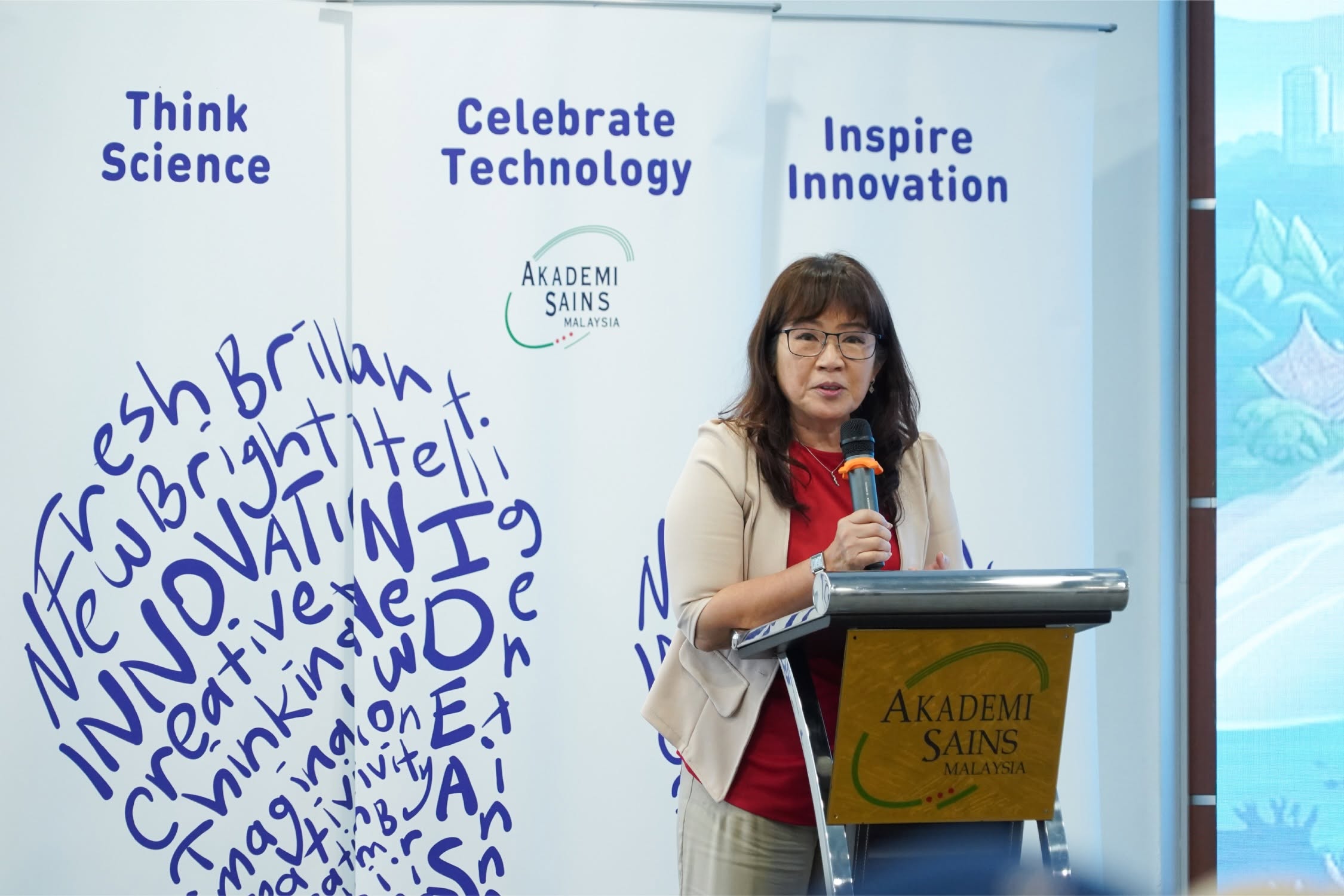
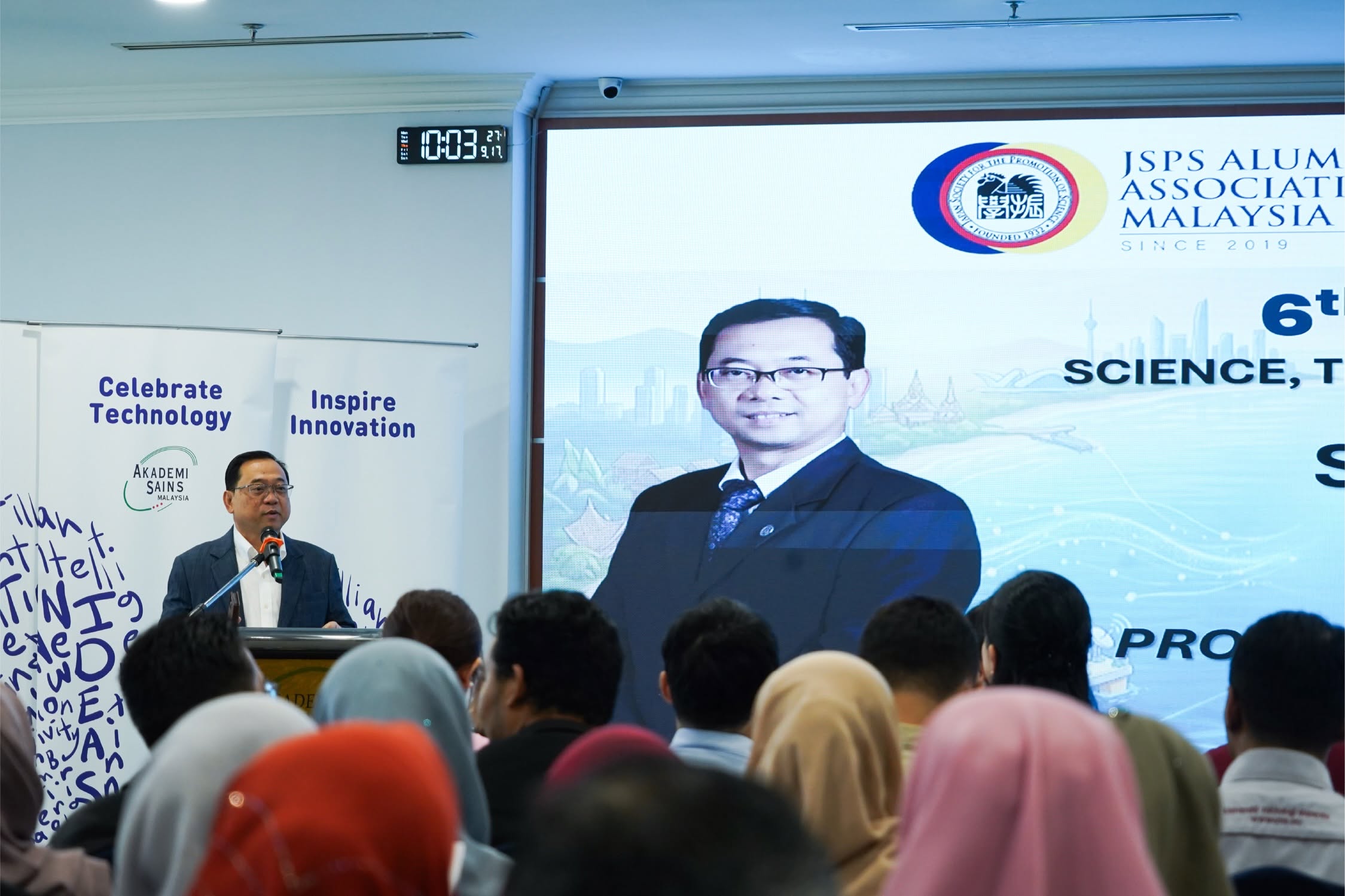
Malaysia and Japan reaffirmed their commitment to scientific collaboration, the blue economy and sustainable ocean development at the 6th JAAM-ASM-JSPS Science, Technology, Innovation and Economy (STIE) Symposium 2026, held in Kuala Lumpur on 17 September 2026.
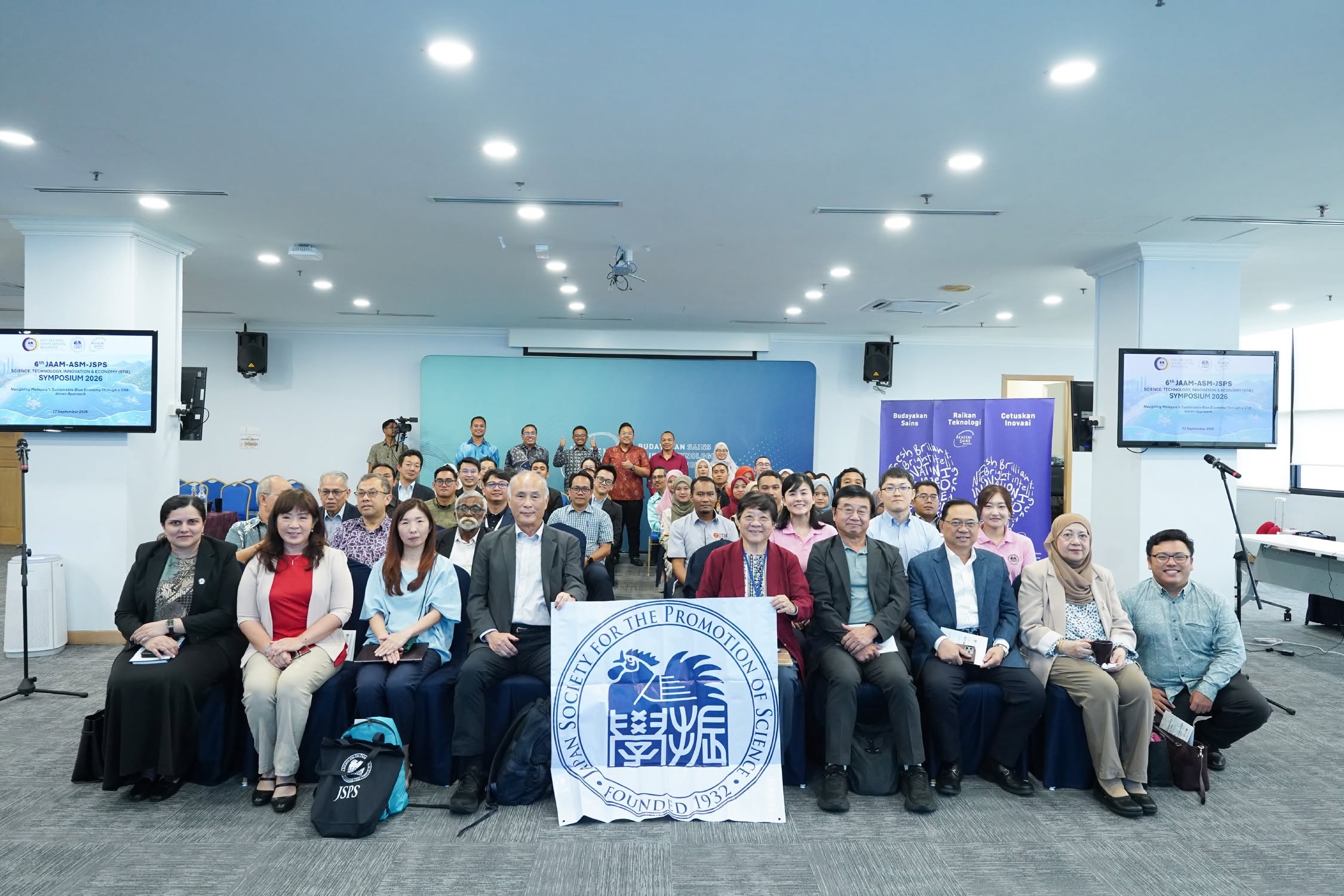
Jointly organised by the JSPS Alumni Association Malaysia (JAAM), ASM, and the Japan Society for the Promotion of Science (JSPS) Bangkok Office, the symposium provided a platform for researchers, policymakers, and industry stakeholders to explore pathways to a resilient and sustainable Blue Economy.
The symposium, themed “Navigating Malaysia’s Sustainable Blue Economy Through a STIE-driven Approach”, examined how science, technology, innovation, and interdisciplinary collaboration can support the sustainable use of marine and coastal resources while safeguarding environmental resilience.
Discussions underscored the growing importance of the Blue Economy as a driver of economic growth, climate resilience and sustainable development.
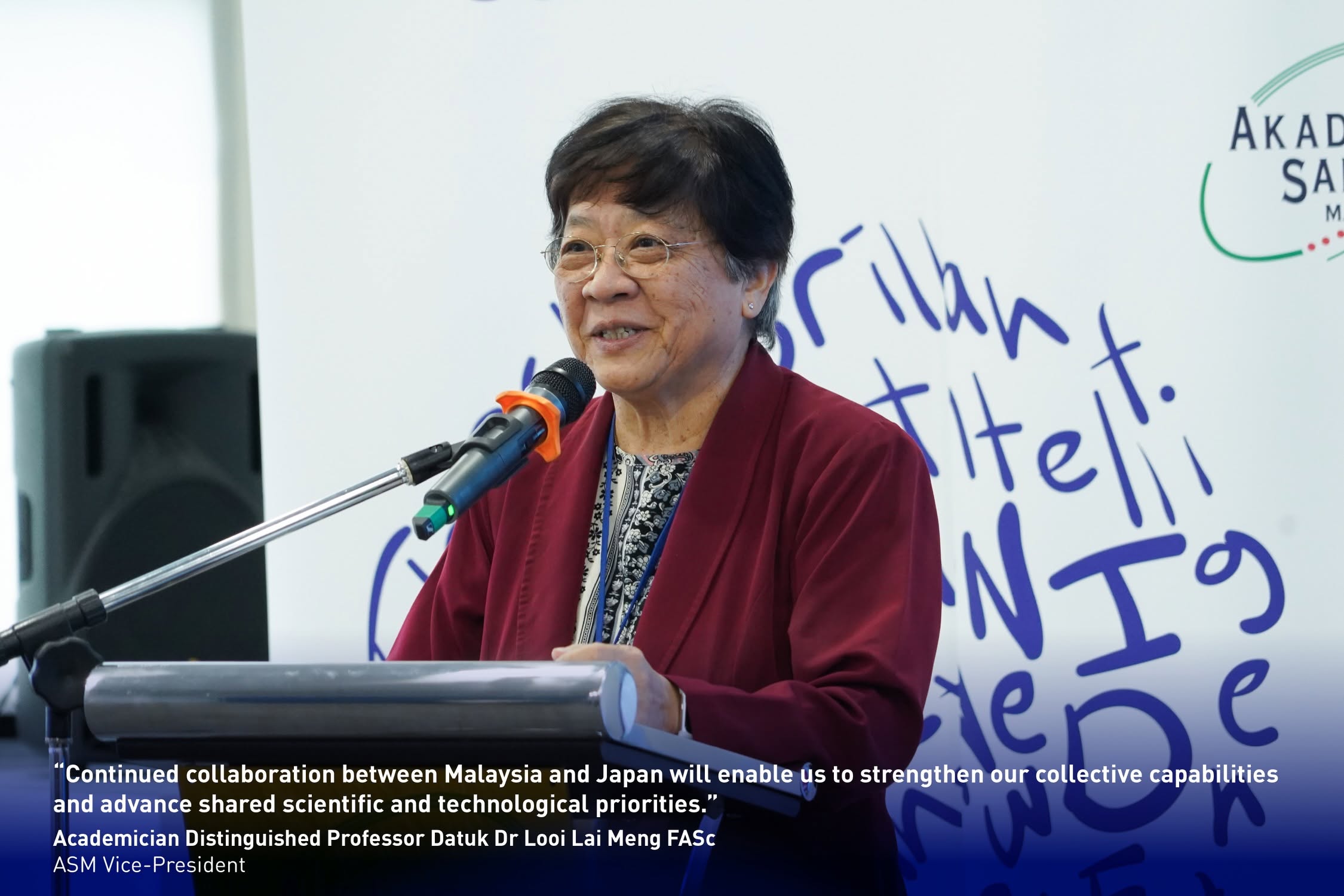
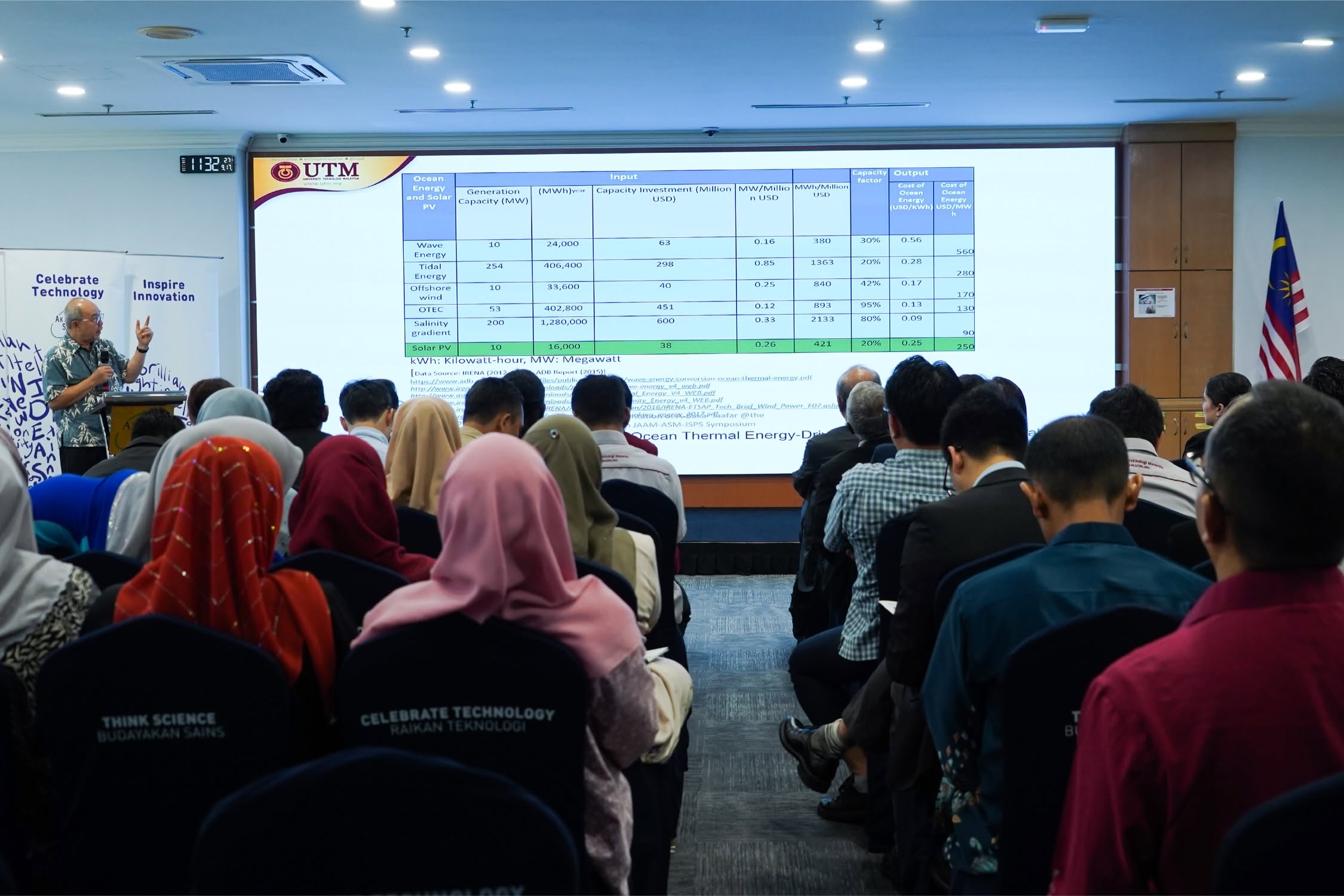
Experts from Malaysia and Japan presented emerging solutions with significant potential for the nation’s marine and energy sectors. Among the technologies highlighted was Ocean Thermal Energy Conversion (OTEC), which harnesses temperature differences in ocean waters to generate clean energy.
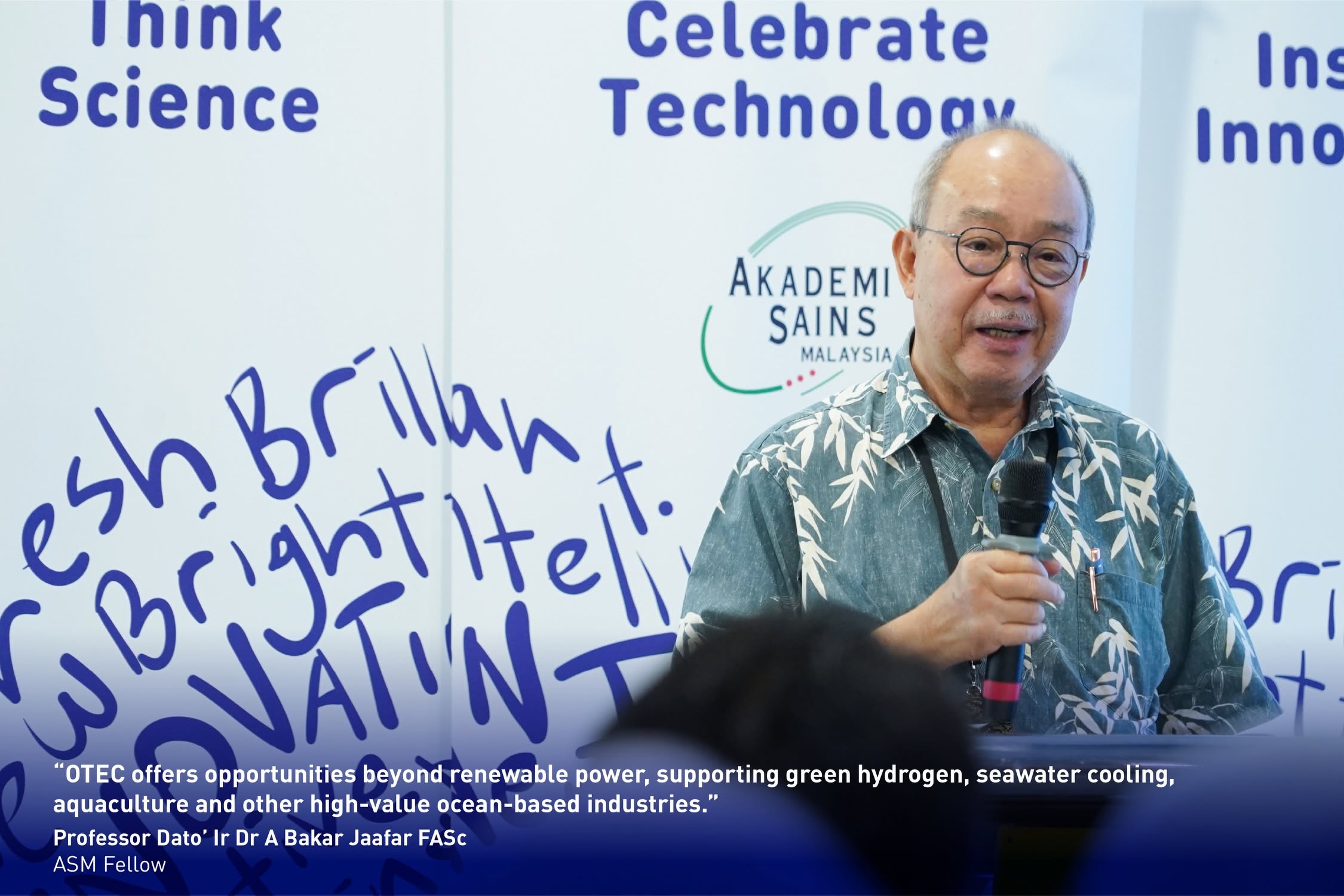
Beyond electricity generation, OTEC was noted for its potential applications in green hydrogen production, seawater cooling systems and sustainable aquaculture development. According to Professor Dato’ Ir Dr A Bakar Jaafar FASc, collaboration between Malaysia and Japan could accelerate OTEC’s transition from research and demonstration projects to commercially viable applications.
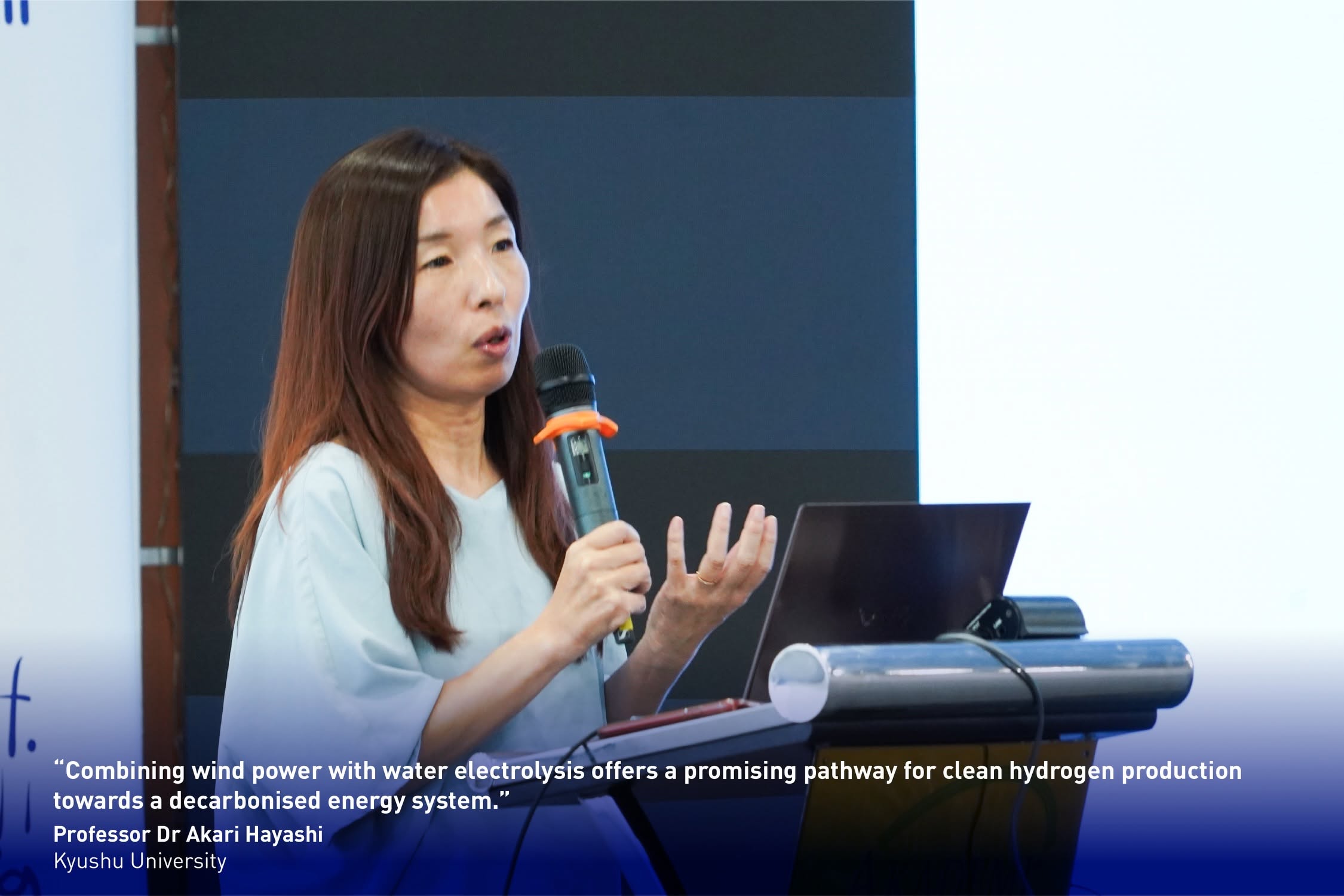
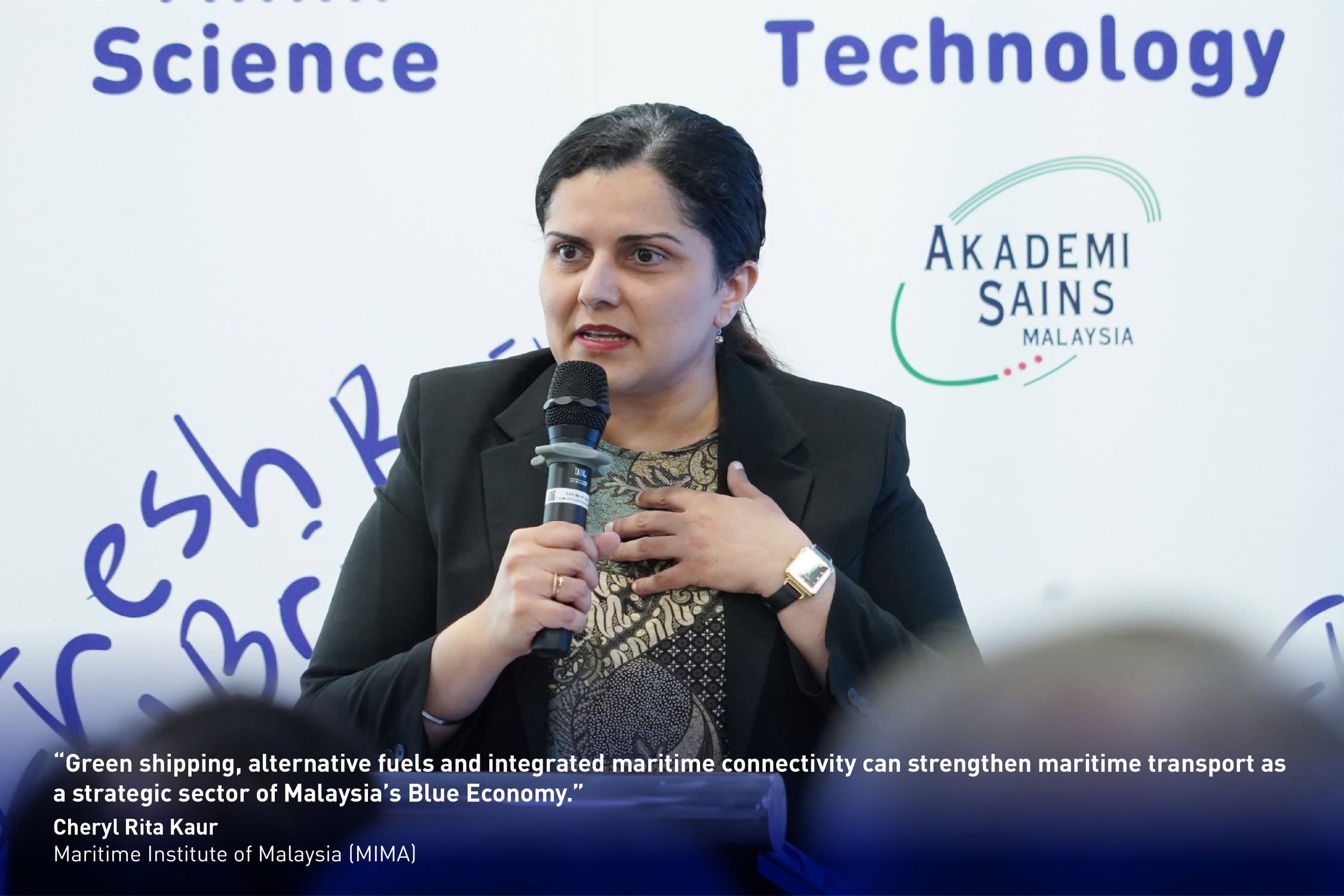
The symposium also explored opportunities in wind-powered hydrogen production, reflecting growing global interest in hydrogen as a clean energy carrier, as well as green maritime transport solutions that support decarbonisation of the shipping sector.
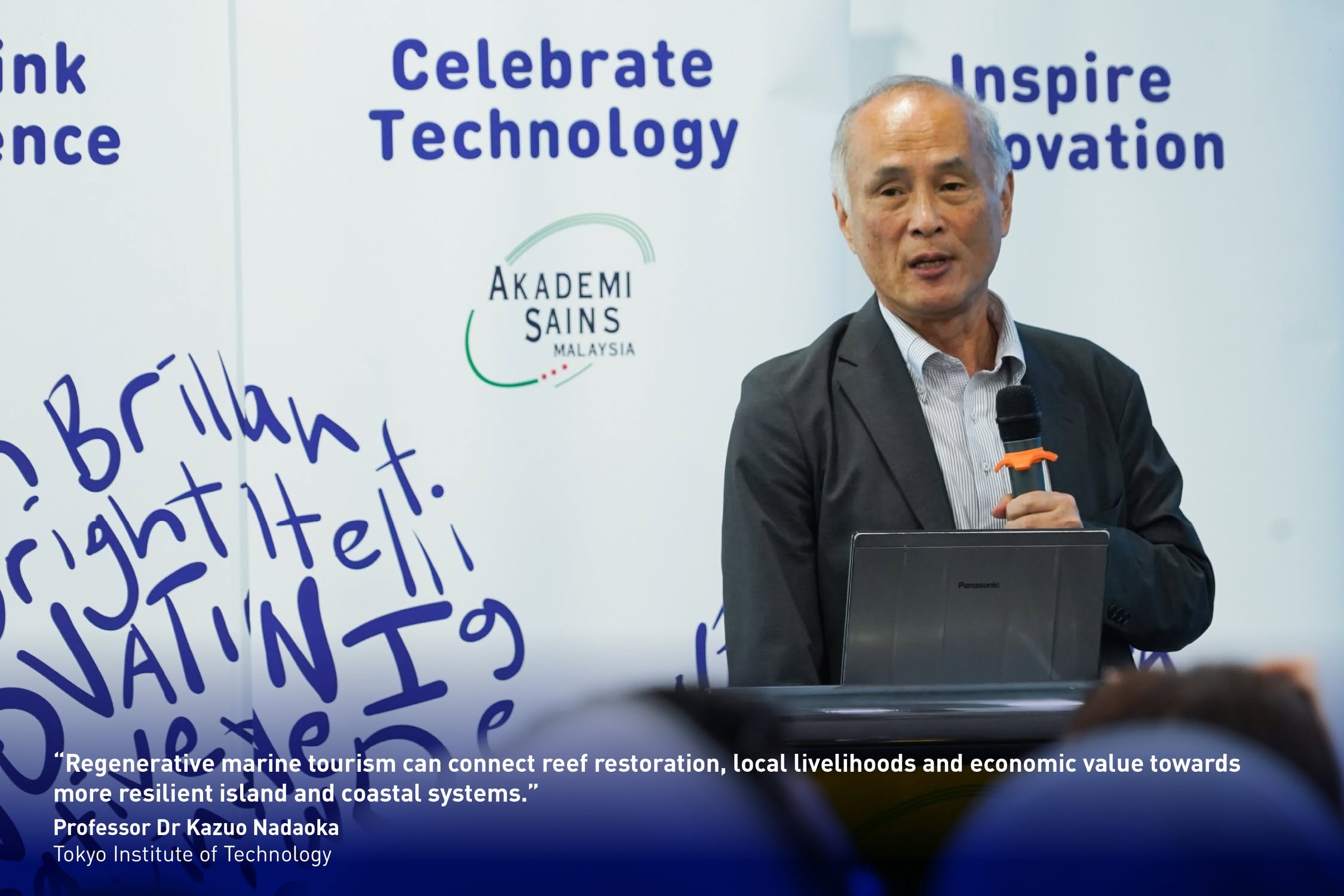
Presentations further highlighted the potential of regenerative marine tourism, which integrates ecosystem restoration with community development and sustainable economic activities in coastal and island environments.
Bringing together approximately 50 participants from Malaysia and Japan, including researchers, students and industry representatives, the symposium fostered active exchanges across disciplines and national boundaries. The discussions reinforced the value of long-standing bilateral partnerships in translating scientific knowledge into practical solutions while creating new opportunities for collaborative research and innovation.
As both countries continue to navigate growing environmental and economic challenges, the symposium highlighted how science, technology and international cooperation can play a pivotal role in shaping a sustainable and inclusive Blue Economy for future generations.