

Presidential Address: Science in Action, Shaping Malaysia’s Sound Future
May 14, 2026
Embracing Change, Shifting Mindsets: Mission-Oriented R&D
May 14, 2026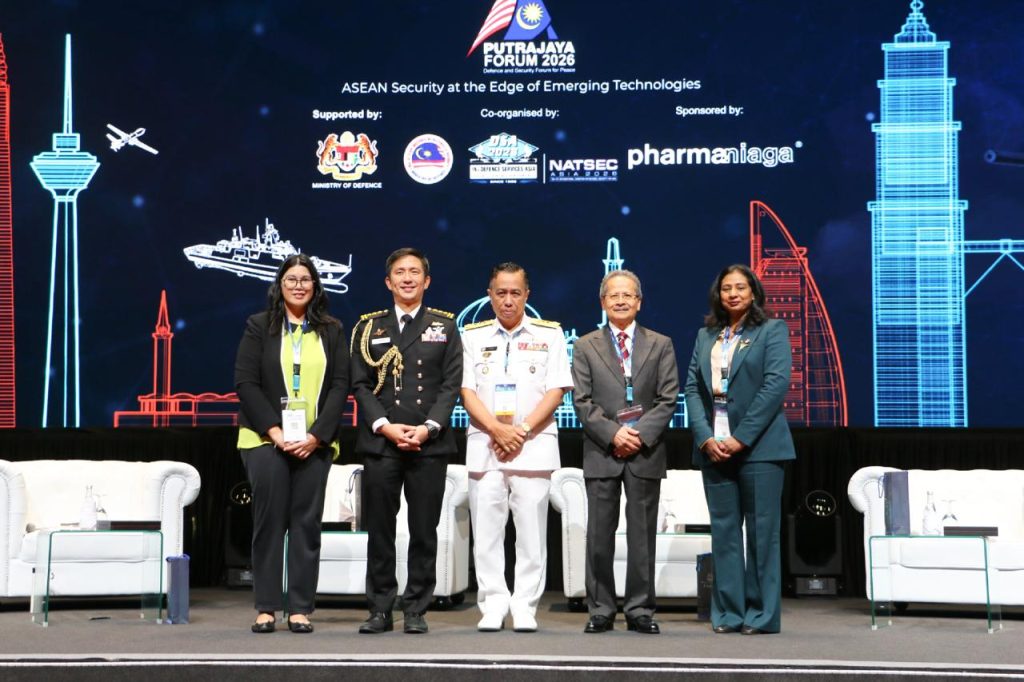
At the 8th Putrajaya Forum 2026, held in conjunction with the Defence Services Asia (DSA) 2026 Exhibition and National Security Asia (NATSEC) on 21 April 2026, ASM President Academician Datuk Dr Tengku Mohd Azzman Shariffadeen FASc delivered a compelling message: Southeast Asia is entering a fundamentally different security era shaped by emerging technologies and “post-normal” realities.
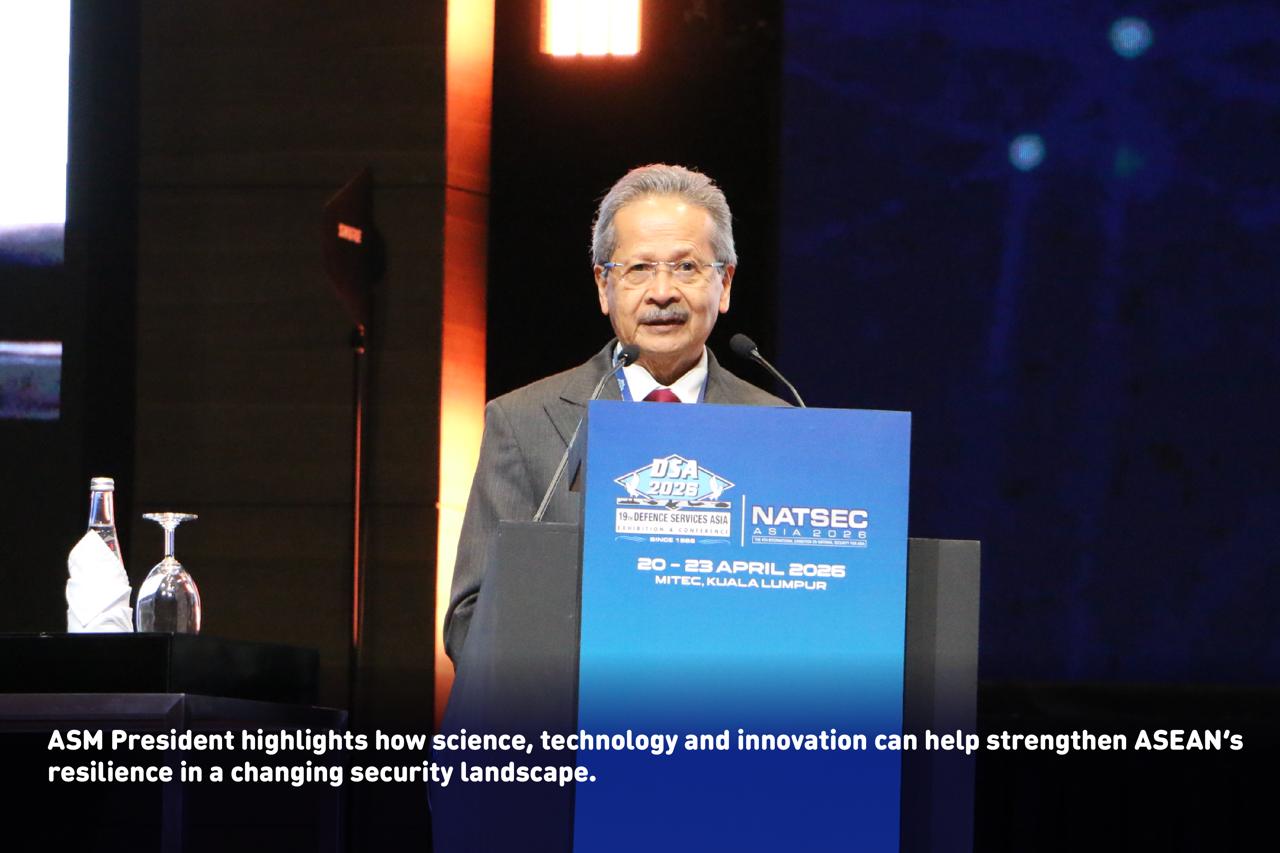
Security today is no longer defined solely by traditional, state-on-state warfare. Instead, it is increasingly characterised by hybrid warfare, a convergence of cyber operations, disinformation, economic coercion and conventional military capabilities.
These actions operate within the “grey zone,” remaining below the threshold of open conflict while targeting societies. As a result, the boundary between war and peace is becoming increasingly blurred.
Central to this shift is the rapid advancement of technologies such as artificial intelligence (AI), big data, cyber systems, digital twins and space-based intelligence.
Warfare is evolving from mechanisation to “intelligentisation,” in which AI enhances decision-making, surveillance, and targeting.
Digital twin systems further strengthen strategic capabilities by enabling simulation, predictive analysis and risk-free scenario testing before real-world action.
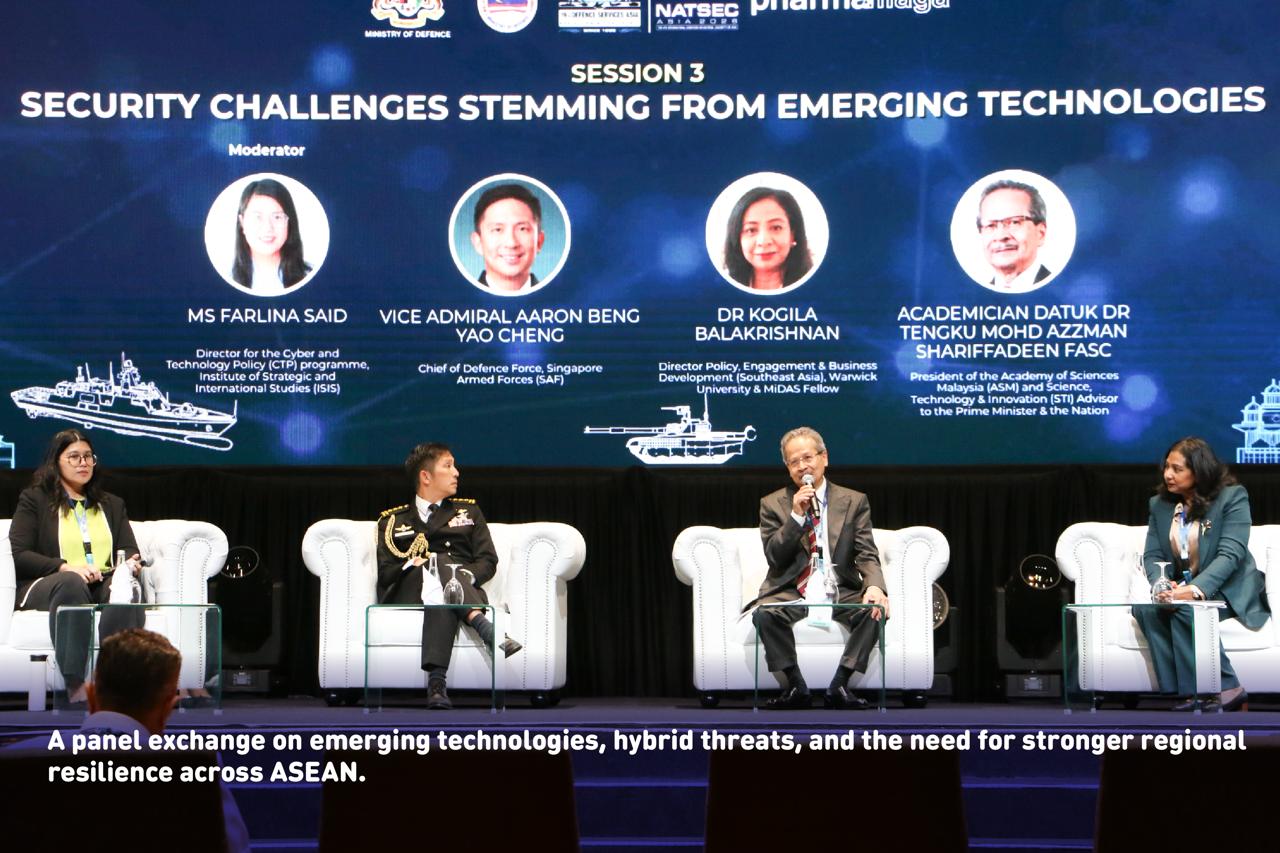
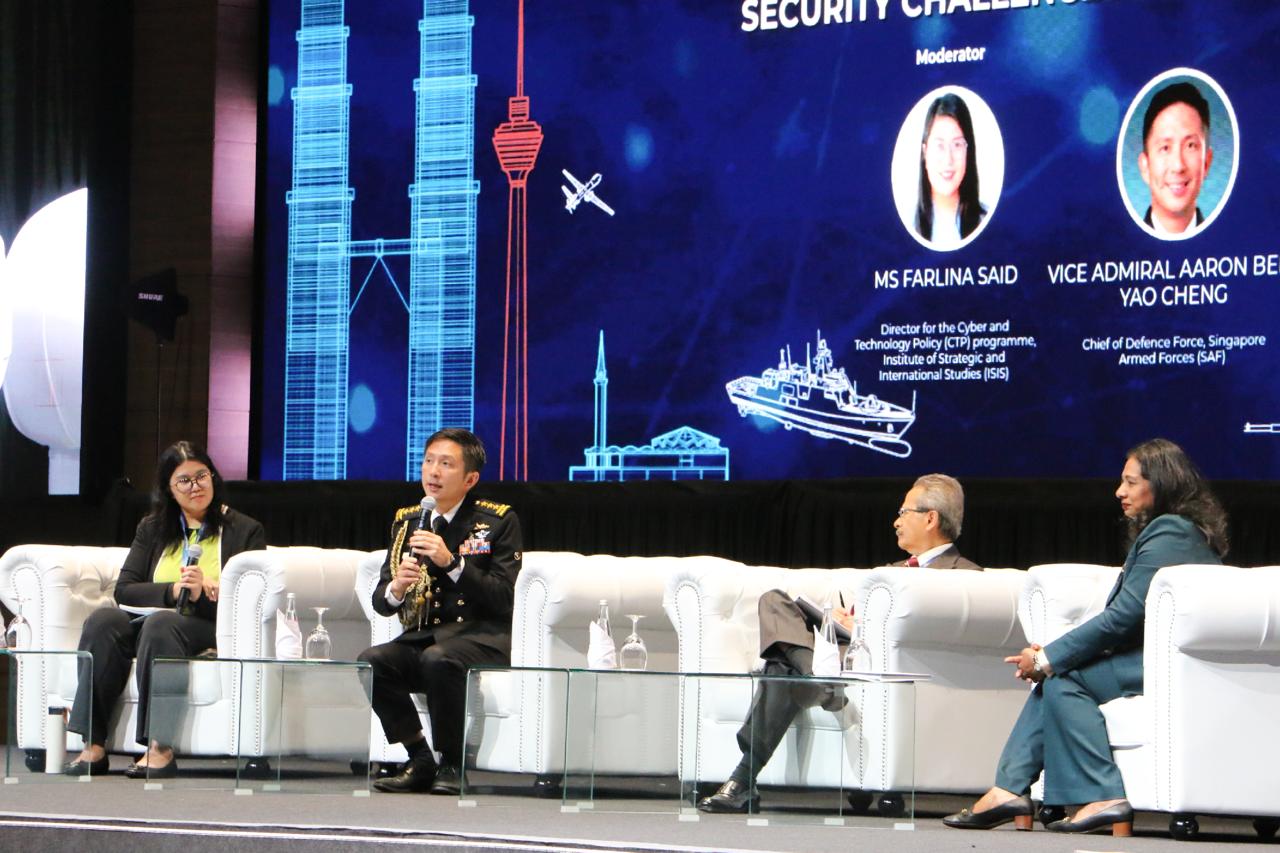
However, Datuk Dr Tengku Azzman emphasised that science, technology and innovation (STI) is a double-edged sword. While it can act as a force multiplier and strengthen resilience, it also introduces new risks, including cyber vulnerabilities, concentration of power, and the rise of surveillance capitalism. Crucially, he stressed that technology must not replace strategy, but rather support it.
Against this backdrop, ASEAN’s foundational principles remain highly relevant. The Zone of Peace, Freedom and Neutrality (ZOPFAN) continues to guide regional stability, sovereignty and cooperation.
Yet ASEAN must adapt by enhancing information sharing, strengthening cyber defence, and building collective resilience to hybrid threats.
He viewed Malaysia as well-positioned to lead ASEAN in implementing the Mission-Oriented Initiative (MOI) to address rapidly evolving regional defence and security challenges.
This includes building indigenous technological capabilities and promoting ethical AI within ASEAN.
Looking forward, the way ahead demands a “whole-of-society” approach. Security is no longer purely military; it is also technological, economic and societal.
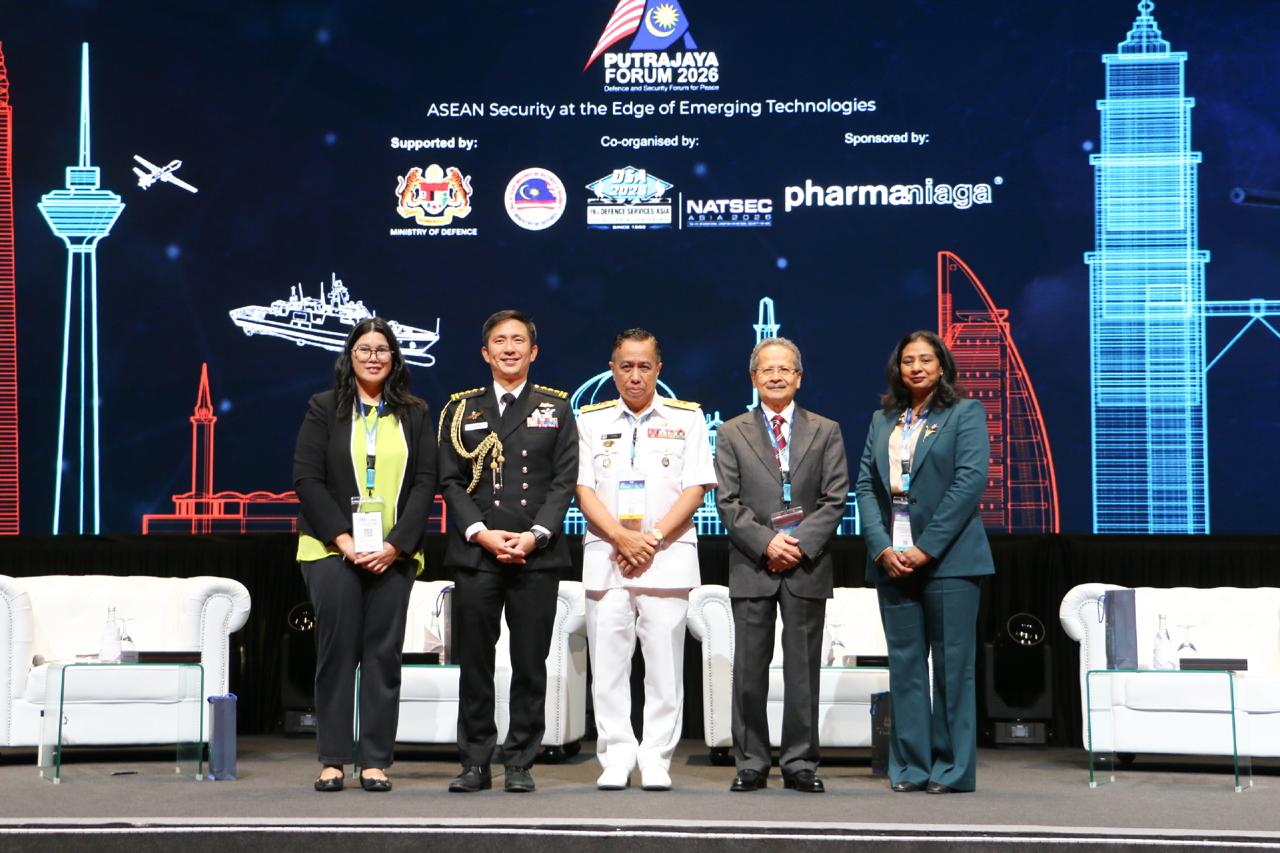
ASEAN must prioritise technology sovereignty, deepen regional cooperation, and prepare for hybrid warfare while actively shaping the technological landscape that will define future security.
As highlighted by Datuk Dr Tengku Azzman, the challenge is not only to defend against emerging threats, but to harness STI to build a resilient, peaceful and prosperous ASEAN region in an increasingly uncertain world.