
Shaping a Mission for an Ageing and Empowered Malaysia
August 14, 2026
Malaysia Strengthens STI Cooperation at APEC PPSTI
September 17, 2026For historian and archaeologist Professor Emerita Datin Paduka Dr Siti Zuraina Abdul Majid FASc, Lenggong Valley is far more than an archaeological site. She describes it as Malaysia’s prehistoric capital, holding invaluable clues about the origins and development of early human societies.
Her interest in Lenggong began after participating in excavations at Niah Cave in Sarawak in 1977. Curious about the apparent lack of evidence of early human settlement in Peninsular Malaysia, despite its strategic location between mainland Southeast Asia and the Malay Archipelago, she embarked on decades of research that would transform our understanding of the region’s prehistory.
Her work helped resolve long-standing debates surrounding stone artefacts discovered in Lenggong and led to the identification of numerous significant archaeological sites. These discoveries ultimately contributed to Lenggong Valley being recognised as a UNESCO World Heritage Site.
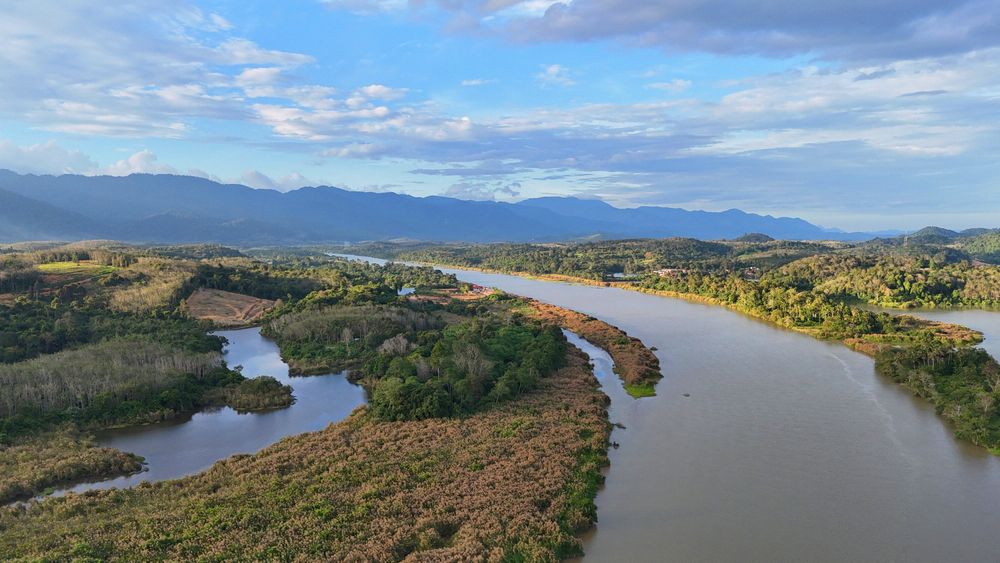
The beauty of Lenggong Geopark at Perak, Malaysia. Shutterstock
While the famous Perak Man remains one of Lenggong’s most celebrated discoveries, Professor Zuraina emphasises that the site’s true significance lies in the stone tools and other artefacts that reveal the technological capabilities, adaptability and ingenuity of early humans. The 11,000-year-old Perak Man also holds scientific importance, as his remains provide one of the world’s earliest known examples of a genetic condition called Brachymesophalangia Type A2.
Professor Zuraina highlights archaeology as a highly multidisciplinary field that draws upon expertise from medicine, anatomy, zoology and other scientific disciplines. Archaeological discoveries not only deepen our understanding of human history but also offer insights into ancient environments, diets and ecosystems.
According to her, early communities possessed remarkable indigenous knowledge, from processing poisonous plants into safe food sources to selecting suitable materials for toolmaking. These achievements demonstrate that prehistoric societies were highly knowledgeable and resourceful rather than primitive.
Reflecting on these lessons, Professor Zuraina believes history provides valuable guidance for the future. By combining traditional knowledge with modern science, society can better appreciate its heritage while working towards a healthier, more sustainable and resilient future.
Watch the interview on ASM’s YouTube Channel.
You can also listen to it on ASM Podcast.