
YSN-ASM Hosts Turkish Young Academy President
June 24, 2026
Malaysia Science Endowment Strengthens National Innovation Ecosystem
June 24, 2026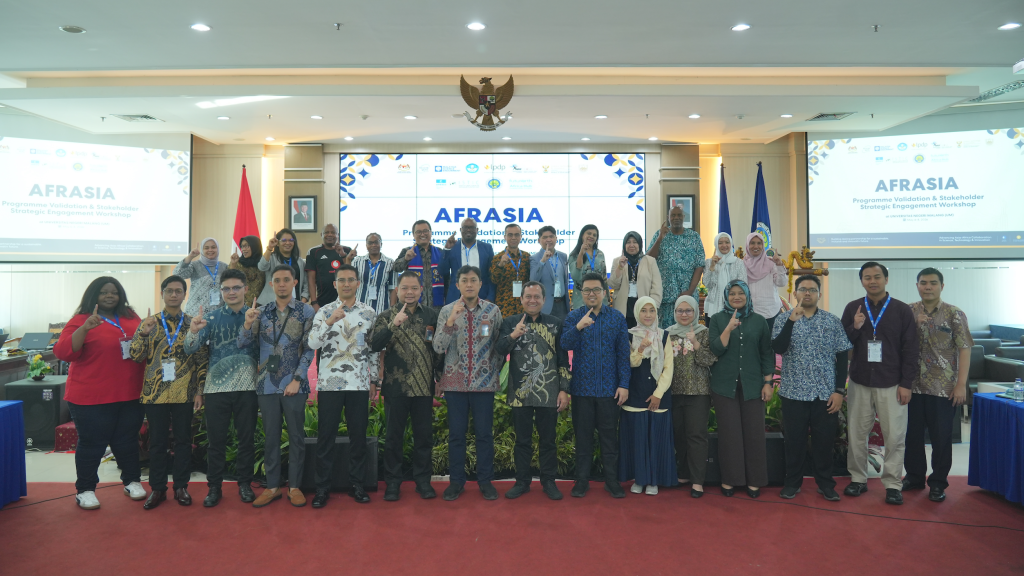
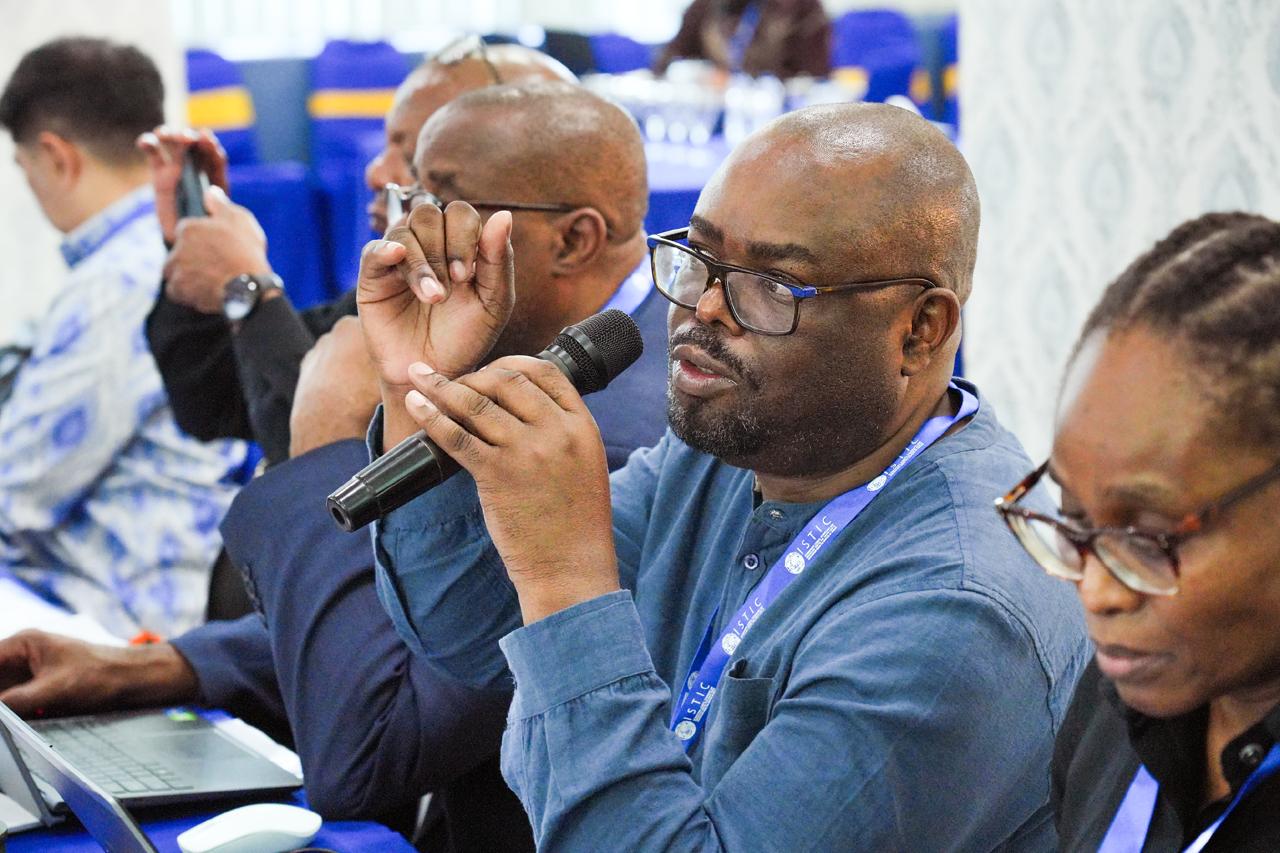
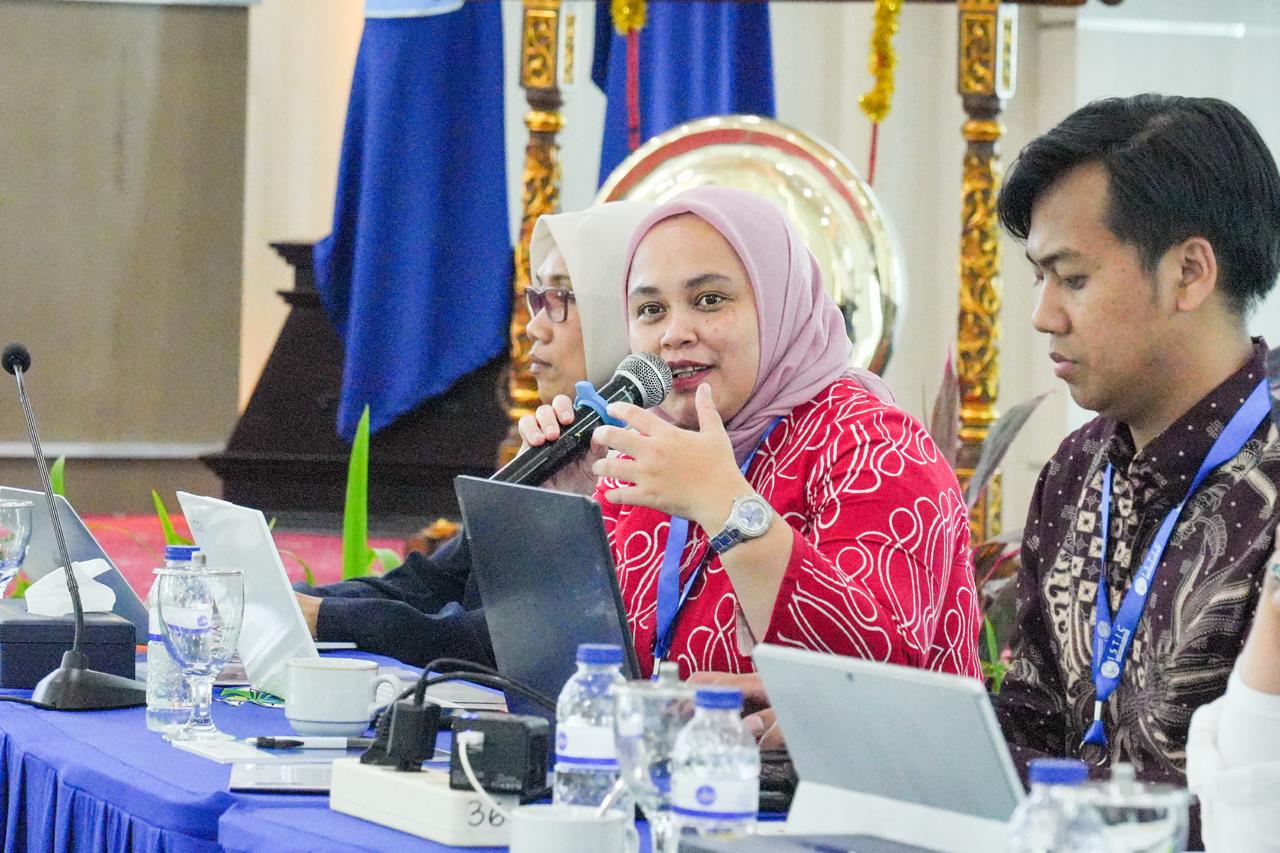
The International Science, Technology and Innovation Centre for South-South Cooperation (ISTIC), in collaboration with the National Research Foundation (NRF) of South Africa, convened the AFRASIA Programme Validation and Stakeholder Strategic Engagement Workshop from 6 to 8 May 2026 at Universitas Negeri Malang, Indonesia.
The three-day workshop brought together representatives from key partner institutions across Asia and Africa, including Indonesia’s Ministry of Higher Education, Science and Technology (MOHEST), the Future Earth Africa Hub Leadership Centre (FEAHLC), the Academy of Sciences Malaysia (ASM) through the Malaysia Science Endowment (MSE), Universiti Teknologi Malaysia (UTM), Universitas Negeri Malang, the University of Pretoria, and the Tanzania Commission for Science and Technology (COSTECH). The gathering aimed to finalise and validate the AFRASIA programme framework ahead of its official launch.
AFRASIA, the Asia–Africa South–South Collaborative Research Programme, is a multi-country initiative designed to strengthen cooperation in science, technology, and innovation (STI) between Asia and Africa.
Supported by founding institutions from South Africa, Malaysia, Indonesia, and Tanzania, the programme addresses shared development priorities in water security, renewable energy, and planetary health.
These focus areas address pressing global challenges that require coordinated, interdisciplinary solutions, particularly in the Global South, where research efforts are often fragmented and institutional capacities vary.
Since 2022, AFRASIA has been developed through extensive consultations; AFRASIA has progressively refined its vision, governance structure, funding model, and implementation strategy through a mission approach.
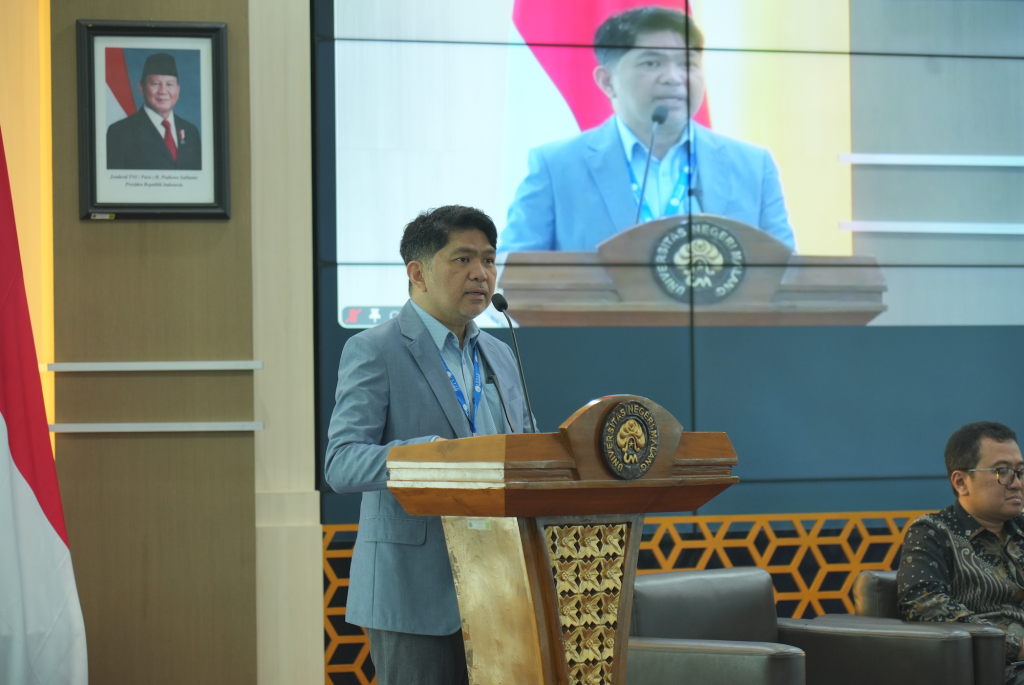
Chair of ISTIC Governing Board, Professor ChM. Dr. Mohd Basyaruddin Abdul Rahman FASc.
The workshop marked a critical milestone in advancing the initiative from design to implementation by validating its framework and ensuring alignment among participating institutions.
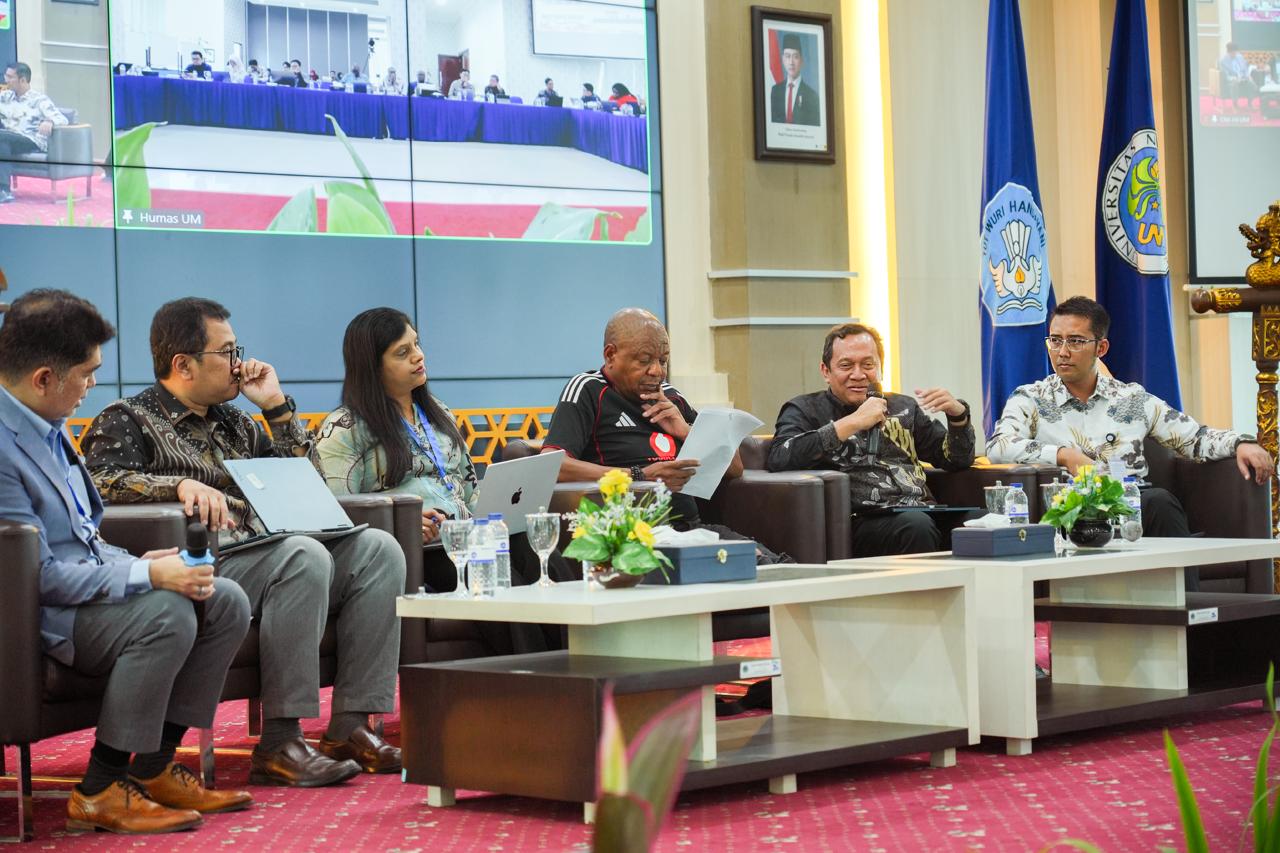
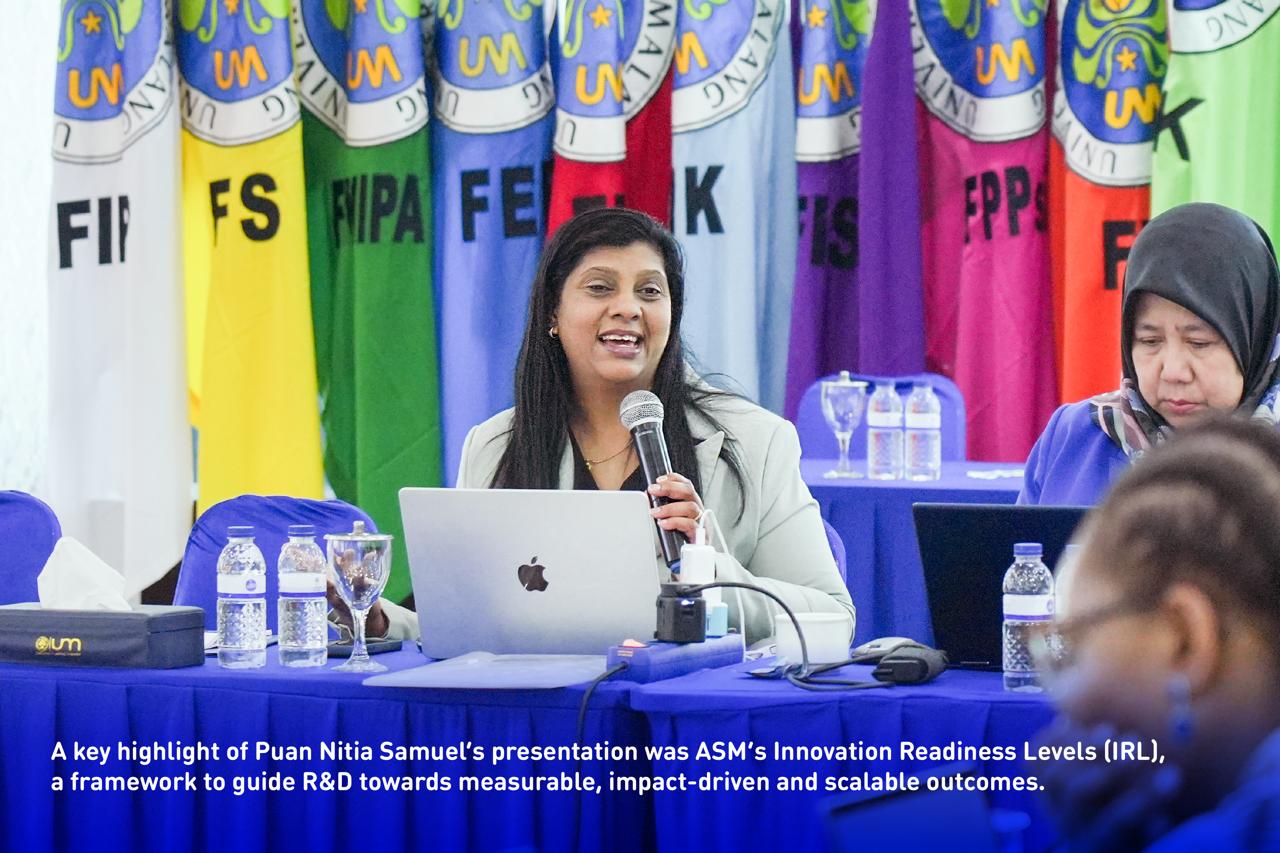
The first two days of the workshop were dedicated to programme validation. Discussions covered key elements such as strategic framing, programme architecture, work packages, governance, co-funding mechanisms, institutional alignment, and implementation readiness. The Innovation Readiness Level, developed by ASM, was also introduced as a tool to assess the readiness of projects to be funded through this platform for greater translational impact.
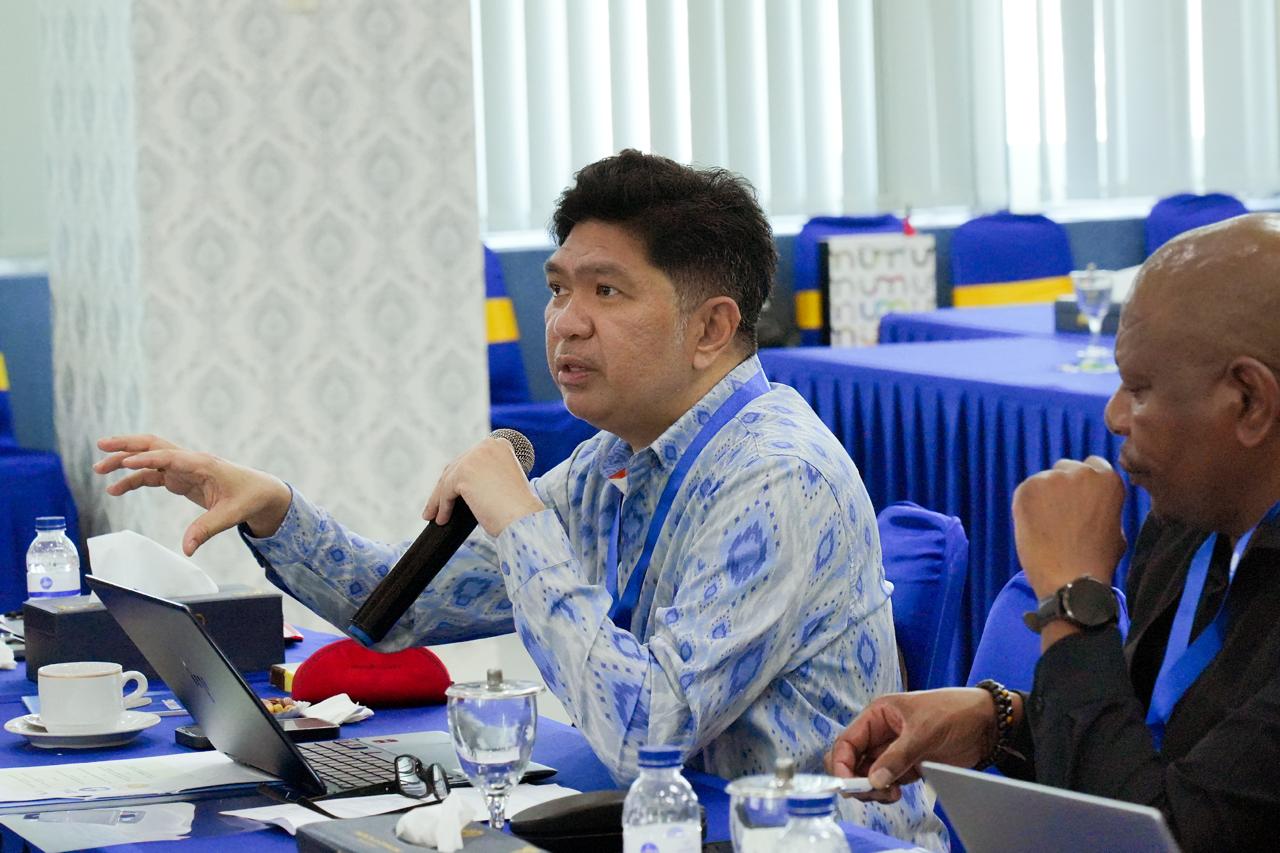
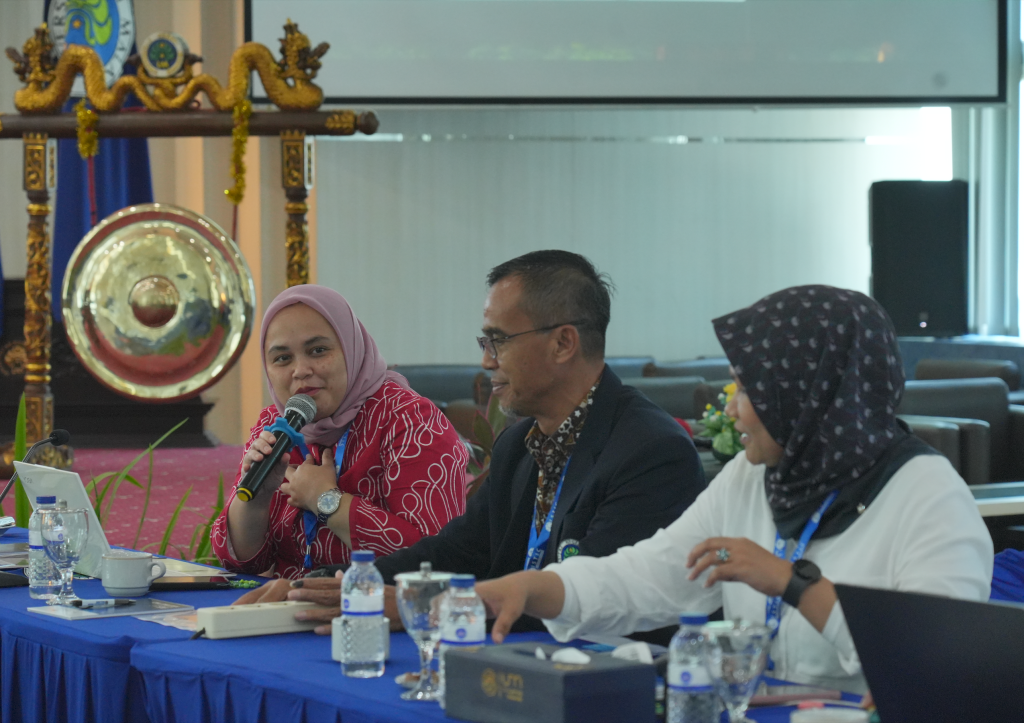
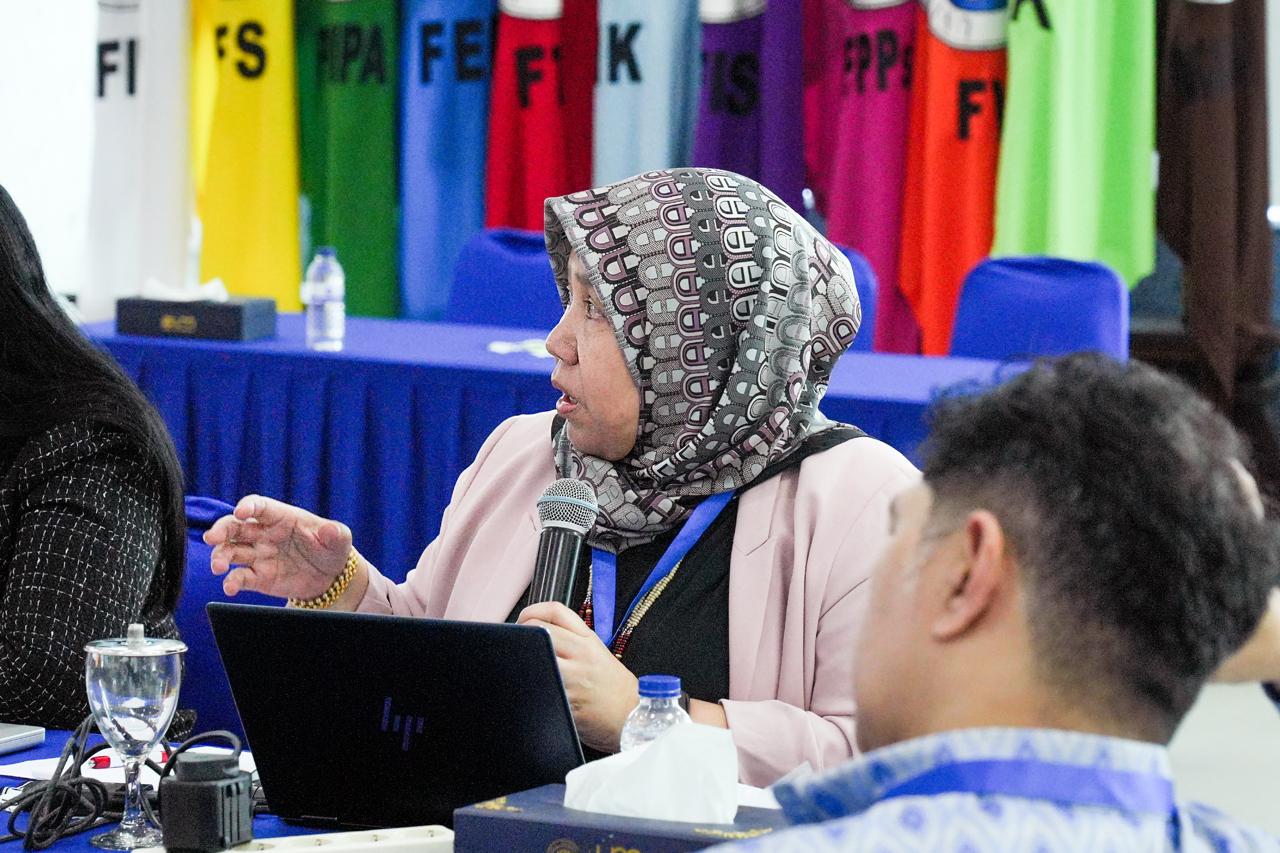
This structured approach ensured that all core components were carefully reviewed and agreed upon, allowing participants to reach a shared understanding and formally endorse the programme framework.
With a clear baseline established, the final day shifted focus to operationalisation. Participants explored how AFRASIA could be effectively positioned within national research ecosystems and industry landscapes.
Discussions also identified pathways to strengthen collaboration, enhance engagement among researchers and policymakers, and support effective programme implementation across participating countries.

Overall, the workshop represents a decisive step forward in realising AFRASIA’s objectives. By formally endorsing the programme framework, partner institutions reaffirmed their commitment to advancing coordinated South–South cooperation and leveraging STI to address shared challenges across Asia and Africa.
As AFRASIA moves towards implementation, it is expected to play a pivotal role in fostering cross-regional partnerships, strengthening research capacity, and translating scientific knowledge into practical solutions that benefit communities across the Global South.