

Honouring Puan Hazami’s Legacy of Leadership
July 16, 2026
ASM Presents Sarawak Mineral Policy Phase 1 Report
July 16, 2026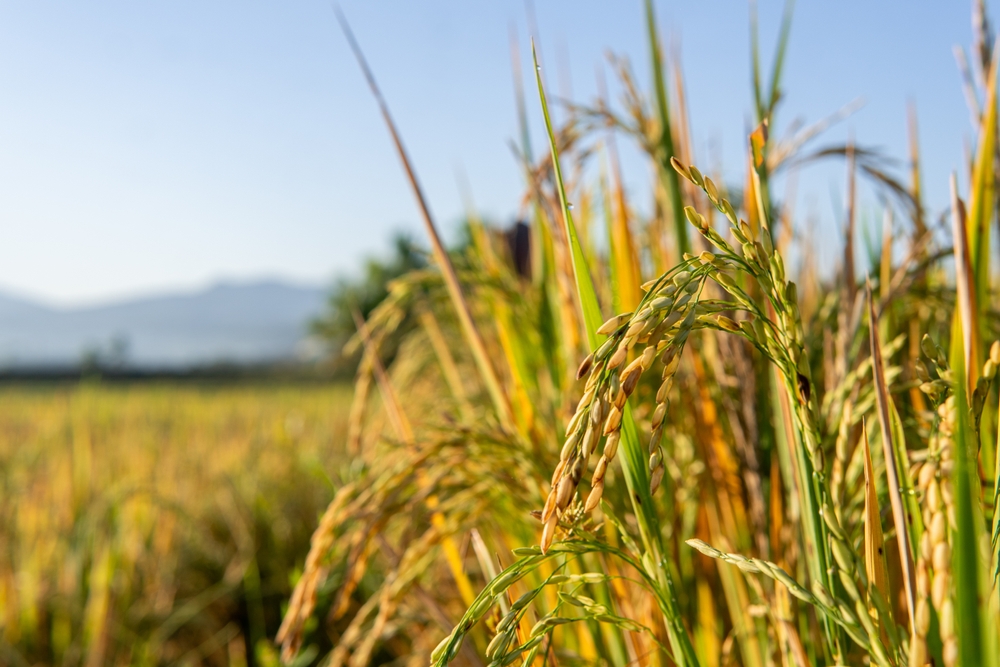
Food security remains a national priority as Malaysia navigates growing global challenges, including supply chain disruptions, climate uncertainties, and changing consumer demands.
These issues were at the forefront of discussions during the Executive Committee Meeting on the National Food Security Policy, held on 9 June 2026. A key agenda item was the presentation of findings from the feasibility study on cultured meat production in Malaysia led by Professor Dato’ Dr Zulkifli Idrus FASc, Chair of the ASM Agriculture Committee and Chair of Mission-Oriented Initiative (MOI) Food Sovereignty and Security, also representing UPM’s Institute of Tropical Agriculture and Food Security (ITAFoS). While the study demonstrated technical and economic viability, stakeholders highlighted the need for comprehensive market studies to assess consumer acceptance and demand.
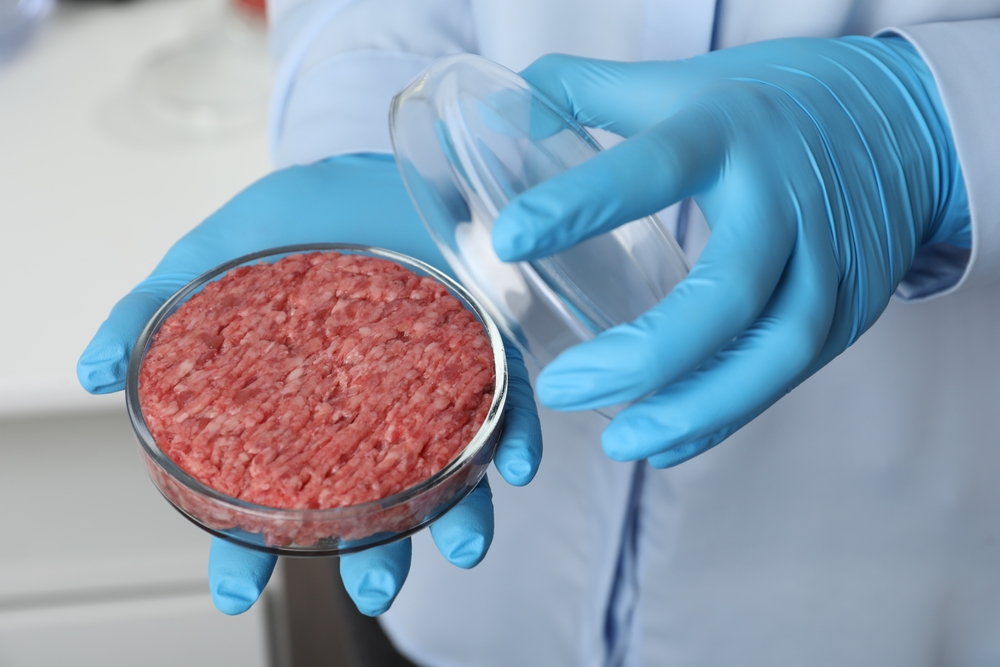
Discussions also focused on the importance of developing a robust ecosystem for halal cultured meat, including research and development (R&D) efforts that ensure halal-compliant cell lines and culture media.
ASM emphasised strengthening public-private collaboration, particularly through catalytic funding and partnerships with government-linked companies (GLCs), to accelerate innovation in this emerging sector.
The meeting agreed that a coordinated approach encompassing policy, regulation, standards development and R&D is essential, with the Ministry of Agriculture and Food Security (MAFS) taking the lead.
The meeting also considered initiatives to strengthen the competitiveness of Malaysia’s agricultural sector. Puan Nitia Samuel, ASM Chief Strategy Officer, highlighted the seven national Mission-Oriented Initiatives recently endorsed by the National Science Council, particularly the MOI on Food Sovereignty and Security, which aims to increase paddy yields from 3.5 tonnes per hectare to 7 tonnes per hectare by 2040, while raising the self-sufficiency levels (SSL) for beef and grain corn to 30% by 2030 and 2040, respectively.
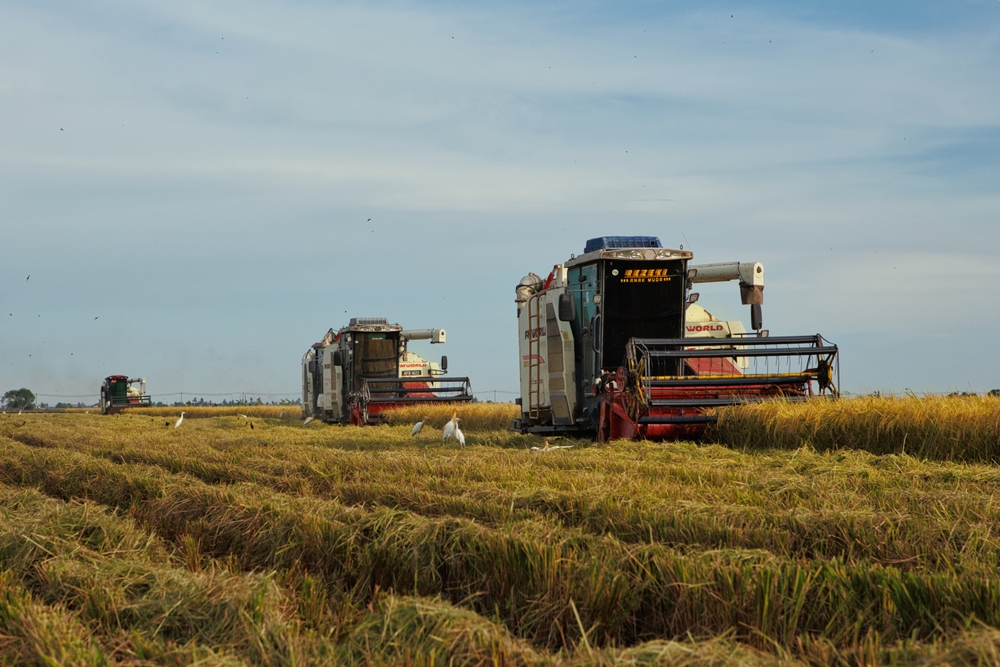
Furthermore, ASM emphasised that beyond protecting local agriculture, efforts should prioritise enhancing industry competitiveness through strategic collaboration and integrated implementation across agencies.
The meeting concluded with a shared recognition that ensuring food security requires a whole-of-government and whole-of-society approach.
ASM will continue collaborating with MOSTI and MAFS to advance the MOI Food Sovereignty and Security agenda, supporting Malaysia’s journey towards a more resilient, sustainable and future-ready food system.